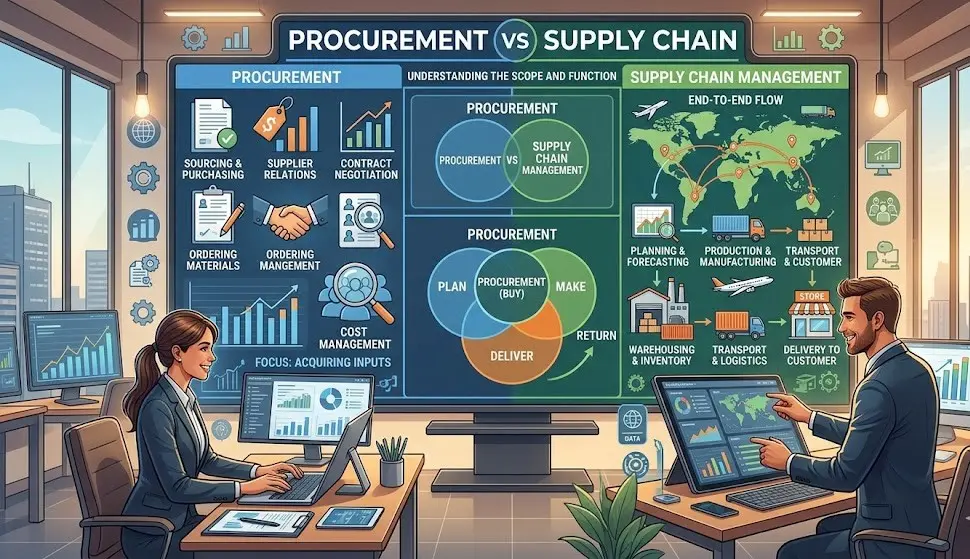
Every business, whether it’s a selling or purchasing firm, requires reliable suppliers who deliver goods. It can be a raw material for a production company. At some point, they need to purchase the goods. This is where a company implements the procure-to-pay process that gives a proper linear structure.
This is the stage where most of the attention is required because it can optimize budget allocation from going to waste. They must look properly into the needs of every department and then calculate whether they need to buy that tool or not. If yes, then the next stage is to know the quantity of the desired goods.
Once that is clear, the focus should shift to finding a reliable supplier who can provide good-quality products and deliver them on time. It can save the organization from buying things in bulk, which will eventually go to waste later on.
What is P2P in Procurement?
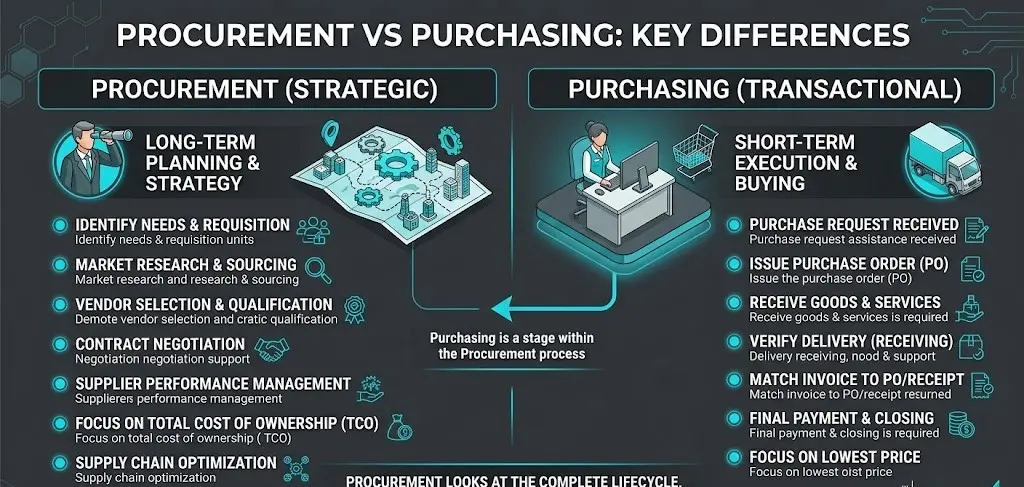
P2P in procurement means understanding the overall procurement process inside the firm. This process starts when someone in the department feels a need for a product or new equipment. Later, it gets discussed with the department whether it’s beneficial for the entity’s revenue or not. If it gets approved, then the procurement team starts planning to develop a strategy and find the most reliable supplier to get the product. They confirm the supplier follows responsible sourcing, provides a good quality product, makes sure the product is delivered on time, there are no delays, and keeps in mind the ESG factors.
On the other hand, the finance team makes sure that they are paid on time and that all the invoice calculations are done accurately. These two teams work side by side in the procure-to-pay process and make it organized and work smoothly on its track.
Understanding the Procure-to-Pay Process
The procure to pay is a set of steps that provides a structured path to deal with every stage of the process effectively and keep them organized. The firm owner has control over every purchase and the invoice stats. Big companies often face the issue of overruns, duplicate payments, and delays in deliveries.
How P2P Solves These Challenges
If organizations use the procurement and payment system process, they can overcome most of the issues using a single system, like teams know their tasks and how to deal with them. They report every single task done by them to the procurement and finance team. If there is a need to purchase equipment, they can report directly to the procurement team after careful observation, get it approved by the owners, and then the procedure proceeds further. This can ensure that there is no delay. P2P is specifically designed to save the organization from these types of challenges.
Risks of Uncontrolled Department Spending
When different departments place orders without coordinating with the procurement team, it can lead to overpaying or buying low-quality products just because they seem cheaper. And later on, that affects the image of the enterprise for delivering a bad quality product.
How P2P Brings Structure and Control
P2P saves the entity from all of this mess and trouble. It provides a clear structure to get things done, from knowing there is a need for a specific thing, getting it approved, ordering, delivering, and paying for it. Each step is recorded in the system. It avoids things from getting disorganized. It makes compliance and accountability easy because one can find out using the recorded data who ordered it, who approved it, and who paid for it. Supervisors can even track the purchasing progress as well.
Managing Global Suppliers and Budget Control
It helps large sectors that have suppliers in different countries. Departments can avoid spending money on any project without getting it approved. P2P keeps the money under control and in balance.
Key Steps in the Procure-to-Pay System
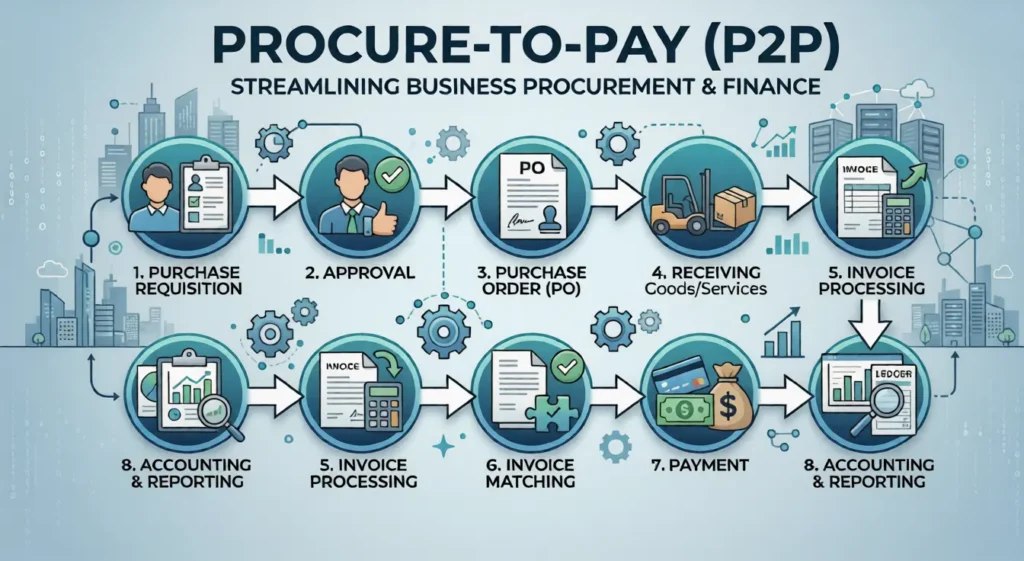
It is a process that provides a firm with a well-planned structure of steps to procure goods first and then pay for them efficiently. Each step in the process complements the other. Skipping one step can lead to total administrative errors. Every step has its sequence in the process and cannot be skipped. Every step in a sequence ensures the accuracy of the overall procedure.
Requirement Identification
Procurement starts from a simple question: What is required? If the team is clear about their needs, it makes things easy for the procurement team to know what is needed and what kind of suppliers they’ll have to find and place an order. If the team is not even sure what they need, it makes the overall process vague and unclear, and leads to placing wrong orders, miscalculations, and loss of money.
Raising Department Requests
Most of the sectors ask the departments to raise a request according to their needs. For example, an IT department raises a request that they need a new software or an update to the existing one; on the other hand, the production department raises a request for the raw material.
Analyzing Quantity and Timeline
The procurement team now analyzes both the requests and observes the quantity and timeline for the product. It helps in identifying the product need.
Avoiding Duplicate Orders
Sometimes the requested product is already in the enterprise’s stock, but because of miscalculation and lack of communication, it gets ordered again, and the existing one gets wasted.
This step may seem the simplest one among the others, but it sets the base for all the other steps.
Supplier Selection
Finding a suitable supplier according to the entity’s needs and standards is a crucial step among all others. Companies might consider it a simple comparison of prices between different products. But in reality, if the team doesn’t pay attention while selecting the supplier, it can cause a lot of trouble in the future.
How Poor Supplier Choice Affects Business
For example, an enterprise just considered the factor of cost and signed a contract with the suppliers having the lowest price. Later on, they realize that when they don’t cooperate on delivery time and quality of the product, the team gets dissatisfied and receives bad reviews from the customers. It affects the firm’s online presence and overall reputation. They start to lose their customers, and even investors feel hesitant to work with them. This is why selecting a reliable supplier that follows ESG factors( Environmental, Social, and Governance) is a safer option for the company.
Benefits of Selecting a Reliable Supplier
The organization that ensures the quality of the product and the workers’ rights gets good ESG stats. When they publish that online, it helps them gain more investors and customers.
A reliable supplier makes sure that the entity gets the best quality products and coordinates with them on the delivery time. It helps the production department to work smoothly without stopping and waiting for the product to be delivered first. When selecting the supplier, it’s important to check their past performance, customer reviews, and professionalism. Investigation at this stage is better than facing damages and loss later.
P2P Role in Strengthening the Supplier Coordination
P2P helps in stabilizing the relationship with the supplier in such a way that the order the enterprise places is clear, and they get it delivered on time, and the finance department is paying them transparently without delays. It makes sure that the suppliers trust the enterprise and are happy working with it.
Purchase Order Creation
After the supplier has been selected, the next step is to place an official order. The order is not placed verbally; instead, it’s done with proper documentation and a detailed description of the product written on it, often known as a PO.
It clearly states the required product, its quality factors, quantity, delivery date, and payment terms. After everything is specified in the document, both parties know what is happening and what to expect.
Documenting everything helps keep things in check and avoid misunderstandings. For example, if there is confusion about the quantity of the goods later on, at that moment, one can check the documented record. This also helps the finance department to check the quantity of the product when it gets delivered and the invoices.
It brings clarity and prevents any confusion that can cause trouble for both parties later on.
Delivery and Order Verification
The next step is receiving the delivery of the ordered product. This is not the last step; that order is delivered, and that’s it. No, the product needs to be checked carefully before the payment. The procurement team checks the delivered order to see if it matches the ordered quantity and quality, and also checks if it’s damaged or not, because it’s easy to make a complaint before paying for it.
Most of the companies make a document called a GRN(goods receipt note) after verification. It helps in maintaining the record and checking if the products get damaged after receiving or if they arrive damaged. If these steps are handled with care and proper attention, it saves the trouble and maintains a good relationship with the supplier.
Invoice Processing
This is the most sensitive part of the overall procure-to-pay system process. If it is handled with care, the firm’s budget might be affected and face a loss. When the supplier sends an invoice, it means they are asking the company to pay for the delivered product.
At this stage, the enterprise usually compares three requirements: the purchase order, the delivered goods, and the invoice. If this stage is not observed properly, the entity might end up paying for the products that were never ordered, ordered but never received, and paying twice for the same item.
P2p saves the organization from losses and keeps everything organized and in records.
Payment Completion
The final step is to pay the supplier. After verifying the invoices, it’s over to the finance team to pay the supplier on time and without any delay. Suppliers prefer to work with those businesses that pay on time and follow clear processes.
It is to verify that every transaction is recorded because it keeps the budget of the enterprise under control and makes it easy to check annual financial stats. These records are important because they give the company a way to look at their spending and the achieved results. This way, they can plan their spending more carefully for the next year and make better decisions based on the problems they faced before.
How the P2P Supply Chain Supports Business Operations
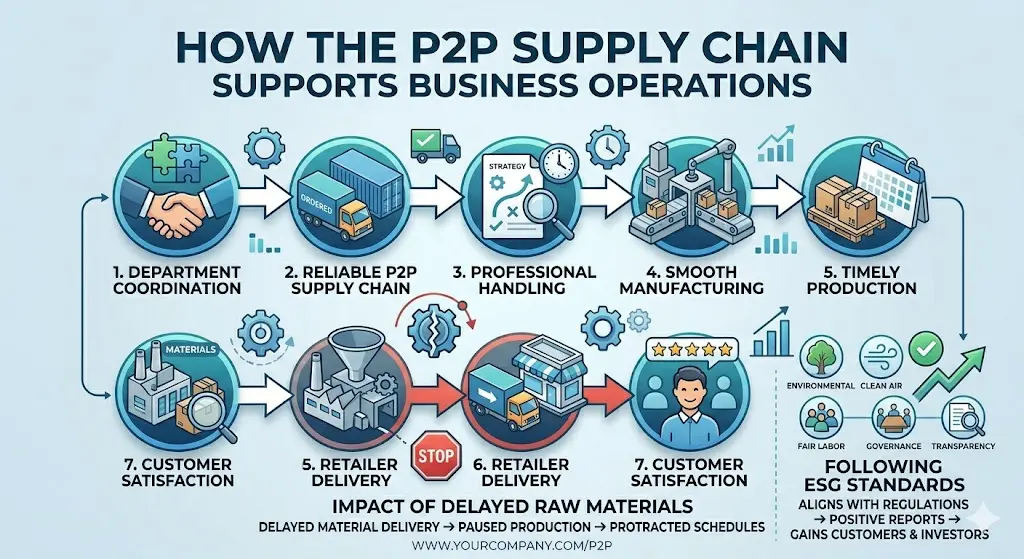
A better coordination between the departments of the company ensures a reliable p2p supply chain. If the supply chain is handled with professionalism and a strategy, it will help the manufacturing process go smoothly. It also helps in the production of the goods on time and delivered to the retailers to satisfy their customers.
Impact of Delayed Raw Materials
Let’s suppose that if the raw material is not delivered on time to the manufacturer team, it will delay the overall production process and slow down the further processes.
Following ESG Standards
There is also another factor that, even though the firm is delivering its best services to the customers, its supply chain doesn’t follow the ESG regulations and standards, which makes their report stats go low, and that’s how they lose their customers. Even investors feel hesitation to work with such a company.
Maintaining Reputation Through P2P
A p2p supply chain plays an important role in keeping in line with the business operations and to maintain the reputation of the organization in the market, and also their online presence.
Benefits of a Procure-to-Pay System
The P2P system has a direct impact on the firm’s operations. It gives the corporation a lot of benefits and chances to grow and improve while reflecting on its performance reports.
Visibility Across the Organization
The very first benefit the company seeks from a procure-to-pay system is visibility; the corporation starts to have a strong grasp over every department. Every action done by any enterprise is kept in a record and can easily be accessed anytime. Records make everyone accountable for their actions. In the end, it’s easy to process the actions of those who did it, what the reason was, who approved, processed, and implemented them.
Improved Accuracy in Processes
It improves accuracy. Memorizing assets and dealing with them through verbal communication creates miscommunication and confusion. No matter how hard you try to remember things, there will still be material left unnoticed and altered with time. It’s better to keep all information officially documented. It enhances the accuracy in every step, and there will be less chance of human errors when each detail is verified through a written statement from the procurement to the payment. It makes the situation clear and helps build trust with suppliers.
Higher Efficiency in Daily Work
When a company has a proper structured system to process the task, and there is a sequence to do procurement, everyone is aware of their tasks, and where to report. All steps are completed and verified side by side without any interruption or getting messed up. Employees are focused on completing their tasks with efficiency rather than figuring out how to resolve the inefficiencies and address the troubles.
Challenges in Procurement and Payment Processes
Most of the challenges a firm faces in the procure-to-pay process are the lack of modern systems and technology.
Problems with Manual Documentation
Every step needs to be addressed and documented manually to mitigate the chance of human errors and lack of accuracy. There are always chances that there might be something that gets missed or miscalculated. Dealing with all details in papers delays the process because it takes time to get every detail documented and get the approval before proceeding further. It slows down the process and organizational operations.
Limited Visibility Across Supply Chains
Tracking the procurement process over paper is also burdensome, especially when the corporation is dealing with different suppliers from different countries. It gives limited visibility, and teams face challenges and have to struggle to get the full picture of their supply chains.
Investing in Modern P2P Systems
To solve this issue, the company needs to invest its budget in getting a reliable system and software that can help teams to remain updated and on the same page at the same time. Better communication between the teams can also prevent the organization from facing a lot of interruptions and smooth the process for the firm’s betterment.
Role of Technology in Procure-to-Pay Systems
Technology has changed the complete picture of the procurement and payment system. The way every stage of p2p is handled is way more accurate and faster than the time when all steps were handled manually and using emails, paper documents, and spreadsheets. That
Eliminating Manual Errors
Always left room for manual human errors, not fully accurate, and delays. But Modern digital systems have made the procure-to-pay system process easy and fast.
Automated Verification of Orders and Invoices
Before a PO, delivered goods and the invoices were to be matched manually; now, using the systems, it automatically uses its stored data in the system and compares the details of each step, and gets it verified in no time. Every stage is processed with accuracy, leaving no chance for errors.
Real-Time Tracking of Orders
Another benefit the advanced system has provided is that the owner or the team can track the order status and know when to expect the product to be delivered. It saves them from the surprises and unnecessary delays.
Efficient Digital Data Management
It also helps with data management. There is no tension to handle the papers and find the desired document from the bundle. Technology has made it convenient to store data digitally in the system, and there is no chance of losing data.
Why Businesses Need Efficient Procure-to-Pay Strategies
Having a system and a team isn’t enough. A strategy is a must-have. The very first step is to prepare a strategy to keep things in balance and under surveillance. Without a strategy, teams may feel alienated and don’t know what to do, where to start, or how to do it. Giving them clear instructions helps make the procure-to-pay process streamlined.
Efficiency is a key to success, and only an enterprise that deals with transparency can understand the importance of a strategic p2p system. Larger sectors do need efficiency in their dealings because their operations are in bulk and complex; only a well-instructed team and an advanced digital system can maintain their reliability and make it grow even more.
Conclusion
Procurement is no longer about buying a thing and paying for it. It is a complete process with sequenced stages that keeps assets in record and helps the entity in compliance. It allows departments to connect and work accordingly. Procure-to-pay system helps sort assets in an organized way so that the company does not face any challenges by saving time, reducing costs, and helping build a strong relationship with the supplier.
No corporation just grows and doesn’t face any trouble in the path, but having a strategic p2p system solves most of the issues and eases the process. The corporation must follow a planned procurement to ensure that there will be a fine quality, reliable service, and no delays.
FAQs
What does procure-to-pay mean in simple words?
It means the process of buying something using a structured technique that follows a few steps to ensure reliability, accuracy, and transparency from raising a request until the payment completion.
Why do companies use a P2P system?
Organizations use a procure-to-pay system to avoid delays, miscommunication, and maximize business operations visibility.
Is p2p only used by large firms?
It’s not necessary that only large sectors can use the procurement and payment system. Any organization that prefers reliability, accuracy, visibility, efficiency, and good relations with its suppliers can use this system.
How does p2p help reduce costs?
It helps keep everything in check and balance, ensuring there is no extra order placed without approval, no duplicate payment, and confirms accuracy with no delays.