You know that moment when someone in your office buys a $500 office chair from a random supplier because the official one would take three weeks to arrive? And you think, “Okay, fine, it’s just a chair,” only to realize a month later that there’s a pile of these ‘just-a-chair’ purchases scattered across the budget? That, right there, is maverick spend.
Maverick spend isn’t about rebellion; it’s about shortcuts. It’s about people trying to get stuff done fast, thinking they’re helping. Do you know what the problem with it is? It quietly drains your bottom line. Companies in the US lose anywhere from 10%–20% of their procurement budget to uncontrolled spending. It’s real money slipping through cracks you didn’t even know existed.
By the time someone notices, it’s too late. Invoices, P-card charges, and emergency purchases, no one has a clear view. And suddenly, you’re patching holes instead of building something solid.
Let’s unpack this, because understanding maverick spending and knowing how to control it could save your company serious headaches, wasted time, and cash you could be reinvesting.
Maverick spend often hides within unmanaged purchasing areas like tail spend, making visibility and control difficult.
What Maverick Spend Actually Means
Here’s the simplest way to think about it: maverick spend is any purchase that happens outside your official procurement process. That could be:
- Someone buying from an unapproved vendor.
- A department using a credit card to skip the PO process.
- A manager buying something without checking the contract first.
If it didn’t go through the official channels you and your team set up? It’s likely maverick spend. Some estimates show this kind of spend can be as high as 25–80% of total organizational spend, depending on how disciplined an organization is. That’s huge.
And here’s a crucial point: the people doing this aren’t always trying to sabotage you. They’re just trying to solve a problem quickly. That’s why controlling maverick spend isn’t just about rules; it’s about understanding behavior.
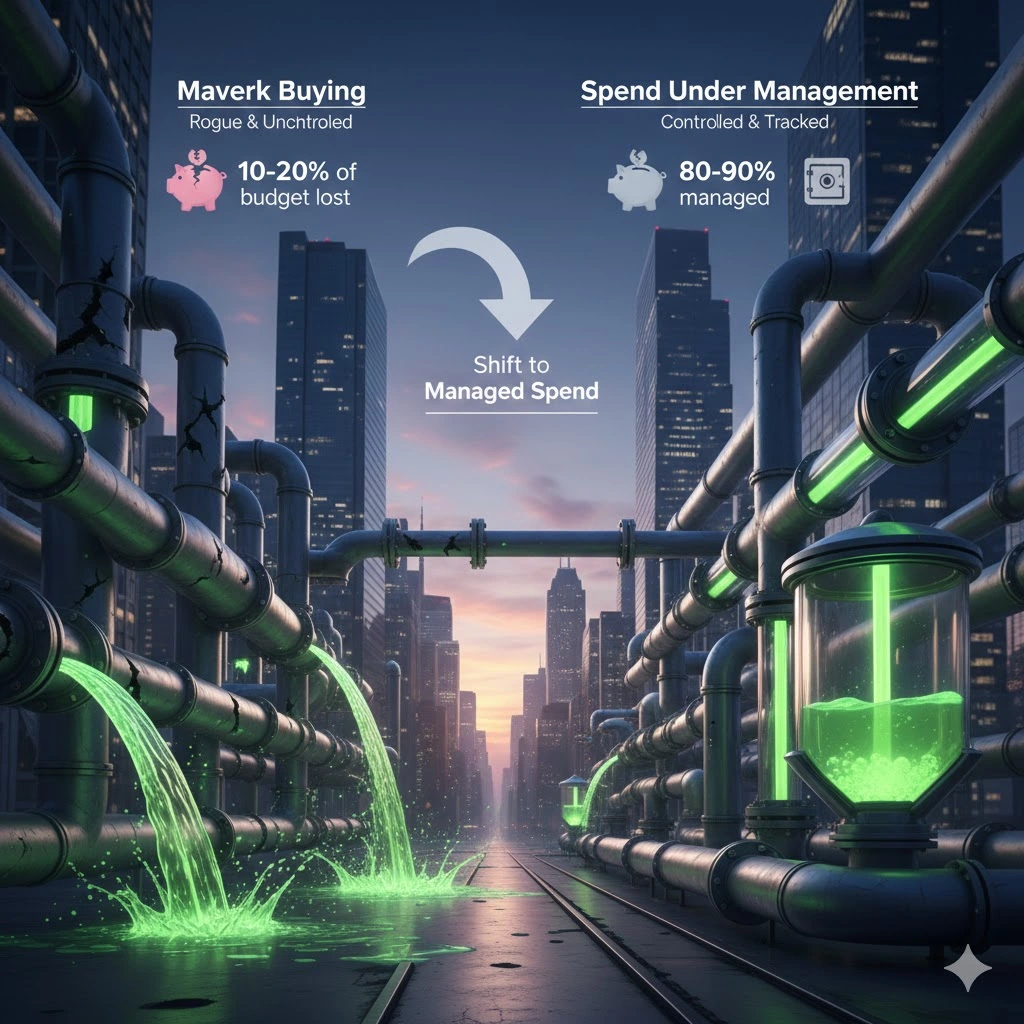
Maverick Buying vs. Spend Under Management
Here’s the difference. Maverick buying is rogue and uncontrolled. Every purchase that bypasses policy is a leak. But if someone spends under management, that’s controlled, tracked, and predictable, making every dollar accounted for. So, maverick buying is everything outside that managed layer.
Consider an example of plumbing. Maverick spend is water leaking from random holes in the pipes. Spend under management is water flowing exactly where it’s supposed to, filling tanks efficiently. One keeps your operations messy while the other powers your business.
The goal for procurement isn’t to micromanage people. However, it’s to shift every possible dollar from maverick status into managed spend. That’s where real impact happens. You reduce waste, strengthen supplier relationships, and actually know where every cent is going.
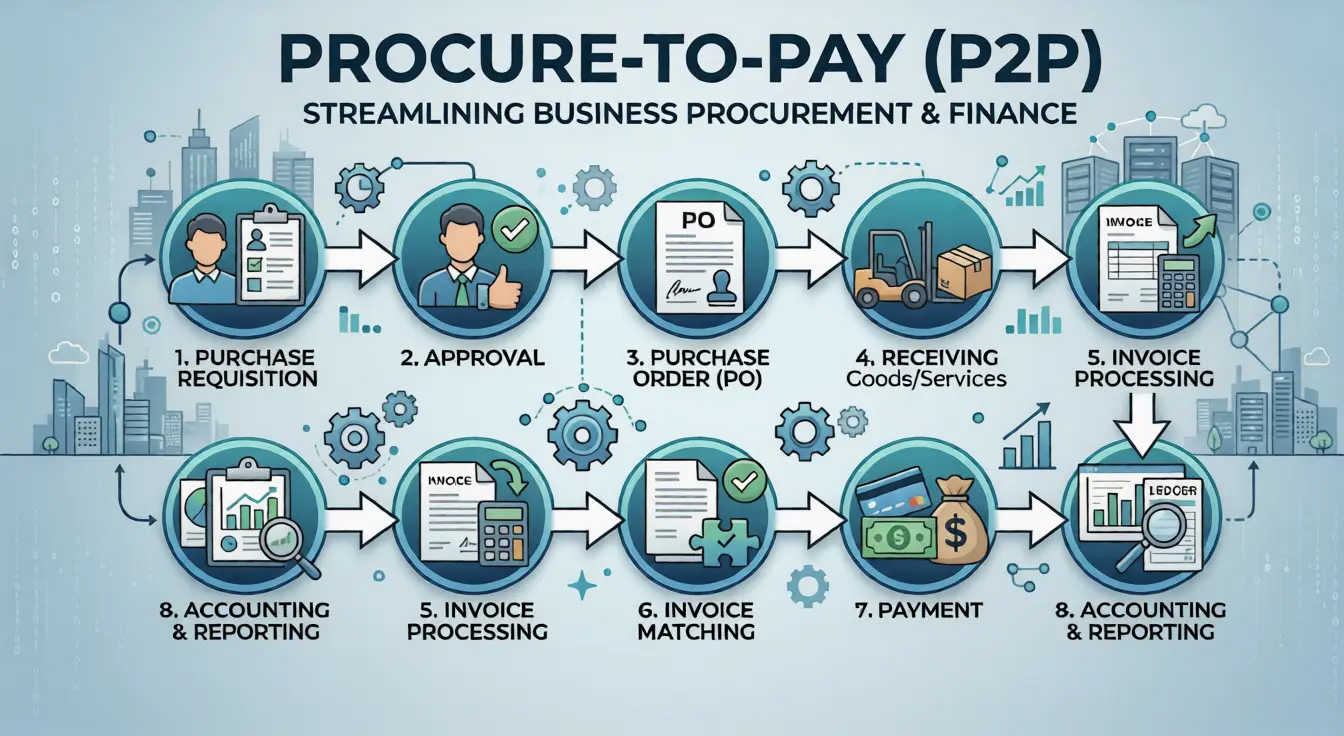
Moving spend under control is easier when organizations clearly define and follow a structured procurement process flow.
Why Does Maverick Spending Occur?
Let’s be honest! It’s not always laziness or rebellion. Usually, it’s structural and behavioral. Here are some common reasons
Complex Procurement Processes
If your approved procurement path feels like a maze, people will take the shortcut. They’re not lazy, but they’re just trying to get work done. They see the procurement team as a blocker, not an enabler. This is the biggest reason maverick spend persists. You can enforce all the rules you want, but if following them takes too long, people will find another path.
Lack of Awareness
Some employees simply don’t know the contracts exist or how to use them. They think they’re saving the company money by choosing the cheaper vendor I found online, only to ignore the fact that your company already negotiated a better deal if you’d only checked. So, lack of visibility equals maverick spend. And lack of visibility is usually a process or tool problem.
Emergency Purchases
Construction projects are full of surprises. Last-minute needs force people to grab what’s available now, rather than what’s approved. Everyone’s under pressure go for quick solutions, and it is where maverick spending comes in.
Decentralized Purchasing
Picture a situation! Different teams, different locations, different buyers, all ordering the same things from different sources. As a result, the company loses consolidated negotiating power and pricing consistency. So, if purchasing isn’t centralized, these inefficiencies grow silently.
Lack of contract visibility increases risk, especially when companies fail to manage end-to-end procurement effectively.
The Risks of Uncontrolled Maverick Spend
Maverick spending has real, measurable consequences that can ruin budgets, slow down projects, and frustrate leadership. Let’s break it down.
● Budget Overruns
Contracts aren’t just agreements; they’re leverage. When 62% of spend is compliant, that means 38% isn’t, and that’s exactly the money that’s missing negotiated savings. And every dollar spent on off-contract costs 12–18% more than on-contract spend, which is the actual money loss.
Imagine a company that spends $10 million a year on supplies. If 30% of that is maverick, that’s $3 million outside contracts, and you could easily be paying 15% more on that $3 million than you would if it were under management. That’s nearly half a million dollars lost just because people bypassed the right process.
● Waste of Time
People think maverick buying is faster, but it often isn’t. Organizations with higher maverick purchasing take longer to issue purchase orders and spend more on procurement overall.
That’s because after‑the‑fact reconciliation, checking contracts, chasing approvals manually, all of that adds hours of work to someone’s week. So the person who thought they were saving time might actually be costing the company more time.
● Weaken Supplier Relationships
Your preferred suppliers give you discounts, priority service, and sometimes even extended payment terms because they know you’re a consistent buyer.
When spend is fragmented across unapproved vendors, your negotiation power drops. Buyers in a 2018 report said 67% see decreased sourcing leverage as a major consequence of maverick buying. That’s a direct hit to your negotiating strength.
● Compliance Issues
Unauthorized purchases could violate contracts, supplier agreements, or even regulations. In other words, depending on your industry, buying outside approved channels can open you up to regulatory or contract compliance risks. It’s not just about money; it’s about legal exposure, audit findings, and sometimes penalties.
How to Conduct a Maverick Spend Analysis
Let’s walk through it step by step!
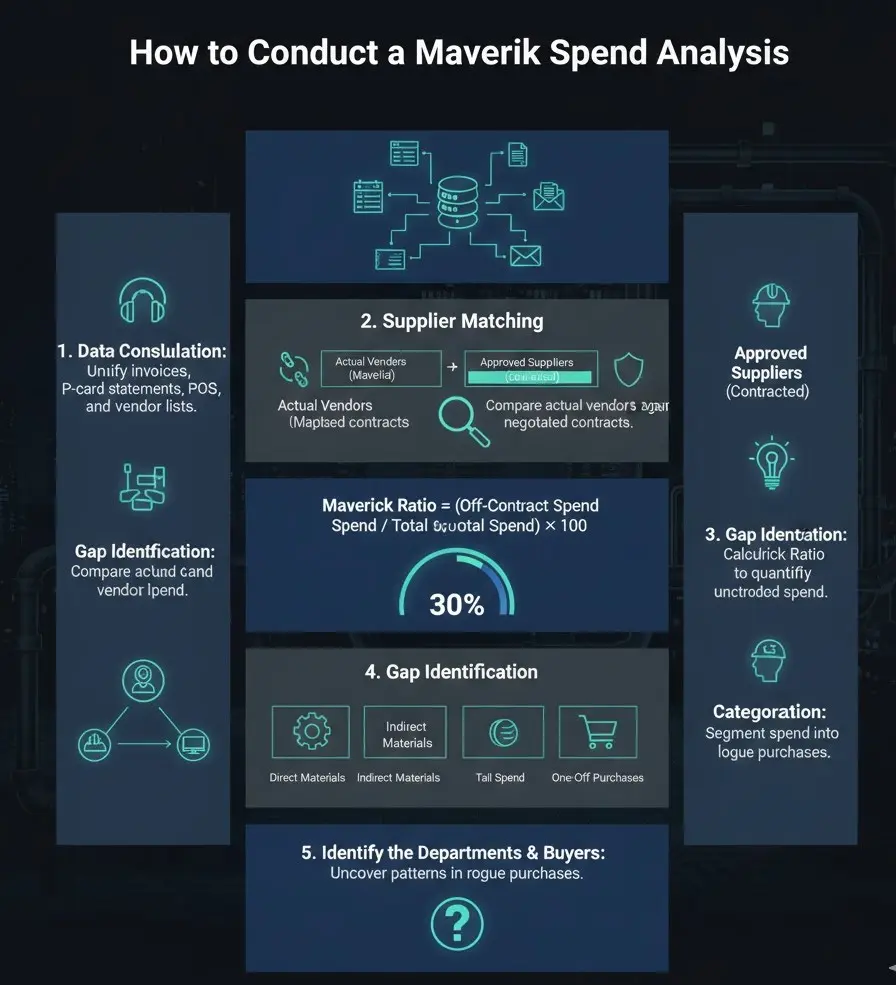
Step 1: Data Consolidation
Collect all your invoices, P‑card statements, purchase orders, and vendor lists. If your data is scattered in emails, PDFs, and spreadsheets, pause and unify it in one place first because you can’t analyze what you can’t see.
Step 2: Supplier Matching
Once you’ve consolidated data, compare your actual vendors against your negotiated supplier list. This reveals the first layer of maverick spend: off‑contract purchases.
Step 3: Gap Identification
Calculate your Maverick Ratio: how much is uncontrolled vs. managed using this formula:
Maverick Ratio = (Off‑Contract Spend / Total Spend) × 100
This percentage tells you how much of your procurement is uncontrolled. For many companies, you’ll see numbers north of 20–30%, especially if you don’t have strong policies or tools.
Step 4: Categorization
Segment spend into logical groups:
- Direct materials
- Indirect materials
- Tail spend
- One‑off purchases
This shows where maverick spend is most concentrated.
Note: Indirect categories, like office supplies, software subscriptions, and minor equipment, are usually the biggest offenders.
Step 5: Identify the Departments and Buyers
Now you’re getting tactical: which departments are driving the most rogue purchases and which buyers? Don’t panic here, this isn’t about blaming people. However, it’s about understanding patterns.
Maybe one project manager always buys out of pocket because their approved vendors’ delivery times are terrible. That’s a problem you can fix.
Strategies to Eliminate Maverick Buying
Controlling maverick spend isn’t about policing; it’s about making the right path the easy path. Here’s what actually works.
● Streamline Procurement Processes
Slow, complex approvals push people to rogue buying. Simplify forms, automate workflows, and remove bottlenecks. It means if following procurement rules slows people down, they’ll go around them. Well, you can fix that by:
- Streamlining approval workflows
- Automating purchase requests
- Reducing unnecessary steps
Remember, the goal is to make the compliant way feel like the fastest way.
● Provide Clear, Accessible Contracts
If people don’t know that a contract exists, they can’t use it. Publish contracts where buyers can actually find them. Make them searchable and understandable for users. No one should have to ask a dozen people just to find the right supplier.
● Align Incentives
If departments benefit from staying under budget and compliant, they’ll invest effort. Some companies tie compliance to performance reviews or departmental KPIs. So, reward departments for compliance and penalize waste lightly, but fairly.
● Leverage Technology
Manual systems let maverick spend hide. Therefore, it is helpful to spend some on analytics tools, procurement software, and automated reporting. They catch leaks before they grow into floods. Furthermore, they,
- Guide users toward approved suppliers
- Block purchases from unapproved vendors
- Provide real‑time alerts
- Show spend dashboards
Companies that adopt automation tend to reduce maverick spend by 15–25% in the first year. So, you should do so.
● Avoid Common Mistakes
Over-policing leads to resentment, while ignoring department needs leads to workarounds. Therefore, your focus should be on balanced control with flexibility.
Balanced controls work best when supported by clear supplier codes of conduct.
Common Mistakes That Make Maverick Spend Worse
Before we keep going, let’s clear up what not to do.
● Over‑Policing Without Support
If you punish people without giving them tools or alternatives, they’ll just find cleverer ways to avoid the system.
● Ignoring Department Needs
Sometimes policies are too rigid. If your procurement process doesn’t meet people’s real work needs, they’ll ignore it. In other words, feedback isn’t a weakness; it’s data that streamlines many things when it comes to procurement.
● Assuming Technology Alone Solves It
Tech helps, but culture matters. You can install the best system in the world, but if people don’t adopt it, maverick spend continues. Simply put, fixing spend is about people, process and tools, not just tools.
Points to Measure to Avoid Maverick Spend
If you want procurement to be strategic, you have to measure the right things. Here are the Procurement KPIs that matter:
- Maverick Spend Ratio: This shows how much spend is uncontrolled.
- Contract Compliance Rate: This shows what percentage of the spend is on approved contracts.
- Cost Avoidance: This is about the savings you captured by staying compliant.
- Cycle Time: This shows how long it takes to issue a compliant PO vs. a rogue purchase.
- Supplier Consolidation: This shows how many suppliers you actually use compared to opportunities.
By tracking these KPIs, you will see the change automatically.
The Role of Procurement Experts
Sometimes, internal teams can’t see the forest for the trees. Procurement experts help untangle complexity. They:
- Analyze spending patterns.
- Identify rogue spend before it leaks budgets.
- Introduce efficient systems and policies.
- Negotiate better supplier terms using consolidated spend data.
Understand their role with an example: A construction firm brought in consultants who centralized material purchasing. Within six months, they cut maverick spend by 15% and improved project timelines: simple changes led to huge payoff.
Ready to bring your spend under control? Our procurement experts help you uncover hidden leaks, streamline purchasing.
Conclusion
Maverick spend isn’t evil; however, it’s a symptom of broken processes, unclear communication, and human shortcuts. If it is left unchecked, it costs money, efficiency, and sanity. But if you tackle it strategically, it’s fully controllable.
You should start by measuring and then understanding where the leaks are. Next, streamline processes and align incentives by using human-mind and technology both. And if needed, bring in experts.
Take control of your spend before it silently controls your budget!
If you want a proven checklist to cut maverick spend fast, download our free guide or schedule a consultation with our procurement experts today. We work for better processes and better builds. Hire us now!